Wondering what gives Belle Meade homes their unmistakable presence? In this part of Davidson County, architecture is a big part of the story, and it is one of the first things you notice when you drive the neighborhood. If you are buying, selling, or simply trying to understand what makes Belle Meade stand out, this guide will help you recognize the area’s signature home styles and see how they shape the market today. Let’s dive in.
Why Belle Meade’s homes feel distinct
Belle Meade is not defined by one single architectural era. According to the city’s historic resource survey, 743 buildings, or 62.7% of the city’s building stock, were built in 1969 or earlier, with major waves of construction in the 1920s through the 1950s. That layered history helps explain why the neighborhood feels cohesive without looking repetitive.
The city also protects that character through its Conservation Overlay and Historic Zoning Commission. Those design standards favor Colonial Revival, Georgian Revival, and Tudor Revival, while also allowing early- to mid-20th-century and contemporary homes when their scale, massing, proportions, and materials fit the surrounding streetscape.
The classical roots of Belle Meade
If you want to understand Belle Meade’s architectural identity, start with its best-known landmark. The Belle Meade Historic Site began as a Federal-style residence and took on its better-known Greek Revival appearance in 1853 and 1854. That house serves as a visible link to the area’s antebellum history, even though Belle Meade is not made up of block after block of surviving plantation-era homes.
For you as a buyer or seller, Greek Revival is usually easy to spot. The National Park Service’s overview of Greek Revival architecture points to boxy massing, symmetry, triangular pediments, columns or porticos, and restrained ornament. These details create the formal, balanced look that still influences many later homes in Belle Meade.
How classical homes usually read
In everyday real estate language, classical homes in Belle Meade may also be described as neoclassical, Colonial Revival, or Georgian Revival. While those labels are not identical, they often share visual traits that make them feel related from the street.
You will often notice:
- Strong symmetry
- A formal front entry
- Columns or a covered portico
- Pediments above doors or windows
- A composed, stately facade
This is part of why Belle Meade homes can feel elegant even when they were built decades after the neighborhood’s earliest landmark architecture.
Colonial and Georgian Revival influence
Belle Meade’s design guidelines explicitly favor Colonial Revival and Georgian Revival, which helps reinforce the neighborhood’s polished, traditional appearance. These styles tend to emphasize proportion, order, and a sense of permanence. For buyers, that often translates into homes that feel formal from the exterior but still highly livable inside.
In practical terms, these homes usually present a centered entrance, evenly spaced windows, and a balanced facade. If you are reviewing listings or touring homes, this style family often signals the classic estate look many people associate with Belle Meade.
What to look for in listings
When you read property descriptions, terms like Colonial, Georgian, revival, or neoclassical often point to the same broad visual language. The key is not memorizing every label. It is learning to recognize the shared themes of symmetry, classical detailing, and a formal street presence.
That recognition can help you compare homes more clearly, especially when two properties have very different interiors but a similar architectural identity from the curb.
Tudor Revival’s storybook character
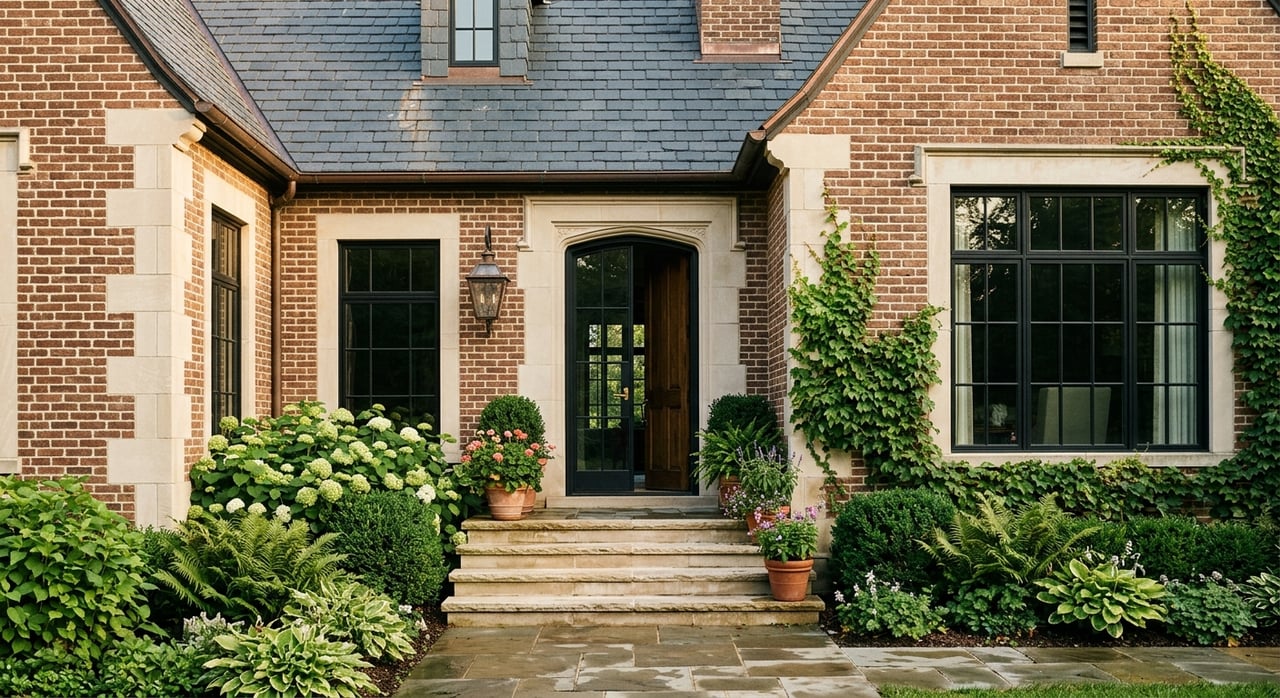
Not every Belle Meade home aims for a classical look. The city’s design guidance also specifically names Tudor Revival as a compatible traditional style, and it remains one of the easiest styles for casual buyers to identify.
According to National Park Service guidance, Tudor Revival homes are often recognized by steeply pitched roofs, multiple front-facing gables, stucco, and half-timbering. In Belle Meade, these homes bring a more romantic, picturesque feel to the streetscape.
Tudor details you can spot quickly
If you are trying to identify a Tudor-style home from the curb, look for:
- Steep rooflines
- Prominent gables
- Stucco or masonry exteriors
- Half-timbering
- An asymmetrical, storybook silhouette
Compared with classical homes, Tudors usually feel less formal and more whimsical. That contrast is one reason Belle Meade’s architecture feels varied and visually interesting.
Why Tudor homes remain appealing
Tudor homes often appeal to buyers who want character that is easy to recognize. They can feel warm, established, and visually rich without relying on the symmetry of a classical facade.
They also show how Belle Meade has evolved over time. Some local examples have been expanded for modern living while still keeping their original street-facing character intact, which speaks to how architecture and lifestyle needs often meet in this market.
Mid-century and ranch homes in Belle Meade
One of the biggest misconceptions about Belle Meade is that it is only a neighborhood of large traditional estates. In reality, the city’s own design materials note that Ranch houses were widely built during the 1950s and 1960s alongside Colonial Revival and Tudor Revival influenced homes. The historic survey also supports that meaningful postwar layer.
That matters if you are shopping for a home that feels more relaxed, more horizontal, or easier to live in day to day. Belle Meade includes houses that reflect postwar design priorities, not just revival-era formality.
How mid-century homes differ
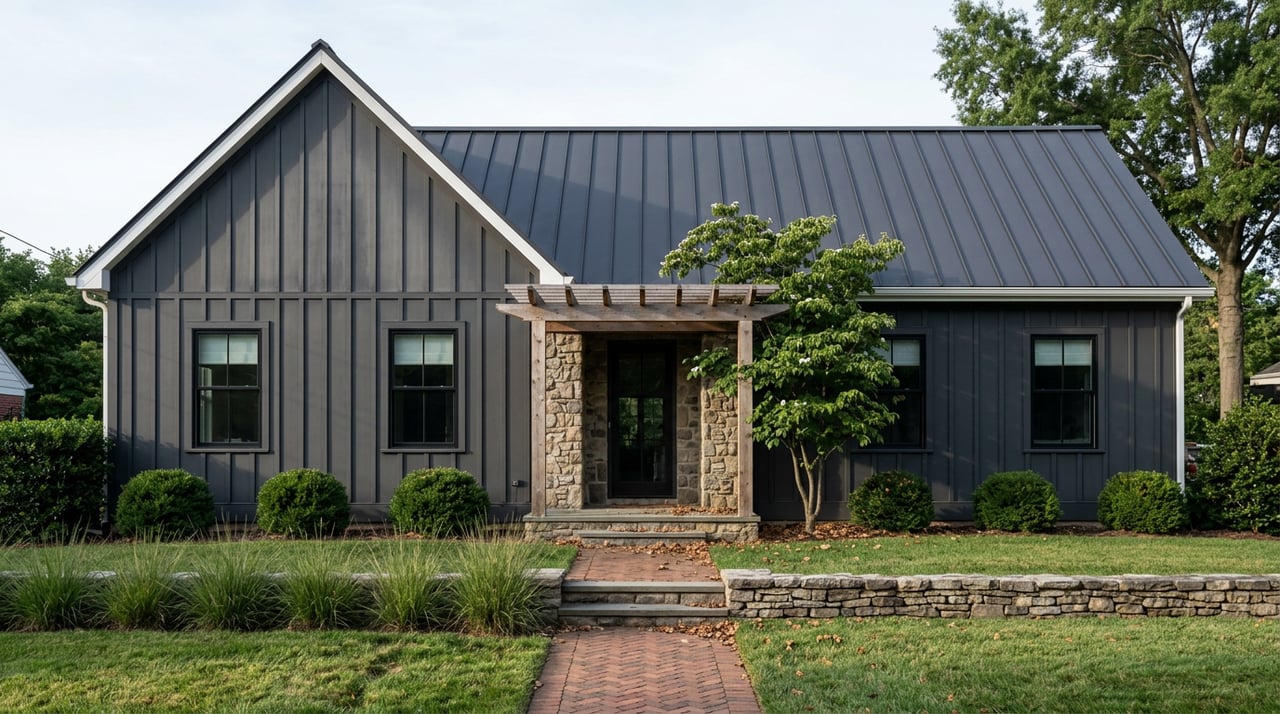
The National Park Service’s discussion of 1950s Ranch house design highlights traits such as one-level living, broad windows, and a stronger connection between interior spaces and the landscape. In Belle Meade, that can mean homes with easier flow, lighter ornament, and a more open, livable feel.
Watch for these signs:
- One-level or primarily one-level plans
- Large picture windows
- Broader, lower rooflines
- Less exterior ornament
- Indoor-outdoor flow
These homes may not carry the same visual language as Belle Meade’s revival styles, but they are still part of the neighborhood’s architectural identity.
Why Belle Meade feels cohesive anyway
With classical homes, Tudor Revival houses, and mid-century forms all in one area, you might expect Belle Meade to feel visually scattered. Instead, it tends to feel remarkably consistent. A big reason is the city’s emphasis on compatibility through design review, especially around scale, massing, proportions, and materials.
That means Belle Meade’s character comes from more than age or style labels. It comes from how homes relate to one another and how newer work is expected to fit the established visual rhythm of the neighborhood. You can explore that framework through the city’s historic zoning and conservation resources.
A simple way to identify home styles
If you want a quick shorthand while browsing listings or driving through Belle Meade, this checklist can help.
Classical and Greek Revival cues
- Symmetry
- Columns
- Porticos
- Pediments
- Formal center entry
Tudor Revival cues
- Steep roofs
- Front gables
- Stucco or masonry
- Half-timbering
- Picturesque shape
Mid-century and ranch cues
- One-level living
- Large windows
- Simpler detailing
- Open flow
- Strong connection to the lot and landscape
You do not need to be an architect to spot the difference. Once you know what to look for, Belle Meade’s streetscape becomes much easier to read.
What this means for buyers and sellers
For buyers, understanding style helps you narrow your search beyond square footage and lot size. If you love formal curb appeal, a classical revival home may be the right fit. If you are drawn to charm and texture, a Tudor may stand out. If everyday livability matters most, a mid-century or ranch design may deserve a closer look.
For sellers, architecture shapes how your home should be presented to the market. The right positioning can help buyers quickly understand what makes your property distinctive within Belle Meade’s broader housing mix.
That is where neighborhood-specific insight matters. At Starling Davis, you can work with a team that understands how Belle Meade’s home styles, history, and buyer expectations come together, whether you are preparing to buy or planning your next move.
FAQs
What are the most common home styles in Belle Meade?
- Belle Meade is best known for Colonial Revival, Georgian Revival, Tudor Revival, classical-inspired homes, and a meaningful mix of mid-century and ranch-era properties.
How can you identify a Tudor Revival home in Belle Meade?
- Look for steep roofs, front gables, stucco or masonry, half-timbering, and a more picturesque silhouette than a formal classical home.
Why do so many Belle Meade homes look formal from the street?
- Much of Belle Meade’s visual character is shaped by classical design influences such as symmetry, columns, pediments, and formal entries, along with local design standards that support compatible architecture.
Are there mid-century homes in Belle Meade, Tennessee?
- Yes. Belle Meade includes a significant postwar layer, including ranch and early modern homes from the 1950s and 1960s with one-level living, larger windows, and more open flow.
Why does Belle Meade have a cohesive look even with different styles?
- The city uses design review and conservation standards to preserve its architectural character and encourage new work that fits the neighborhood’s scale, materials, and proportions.