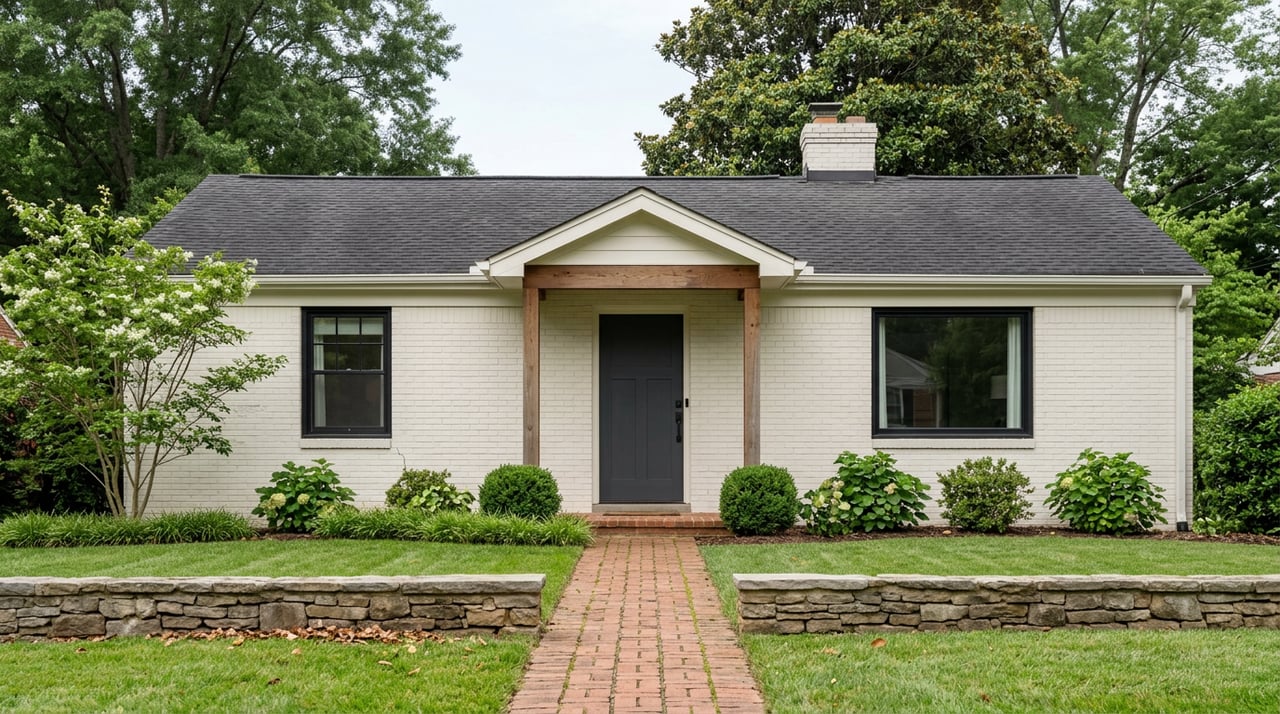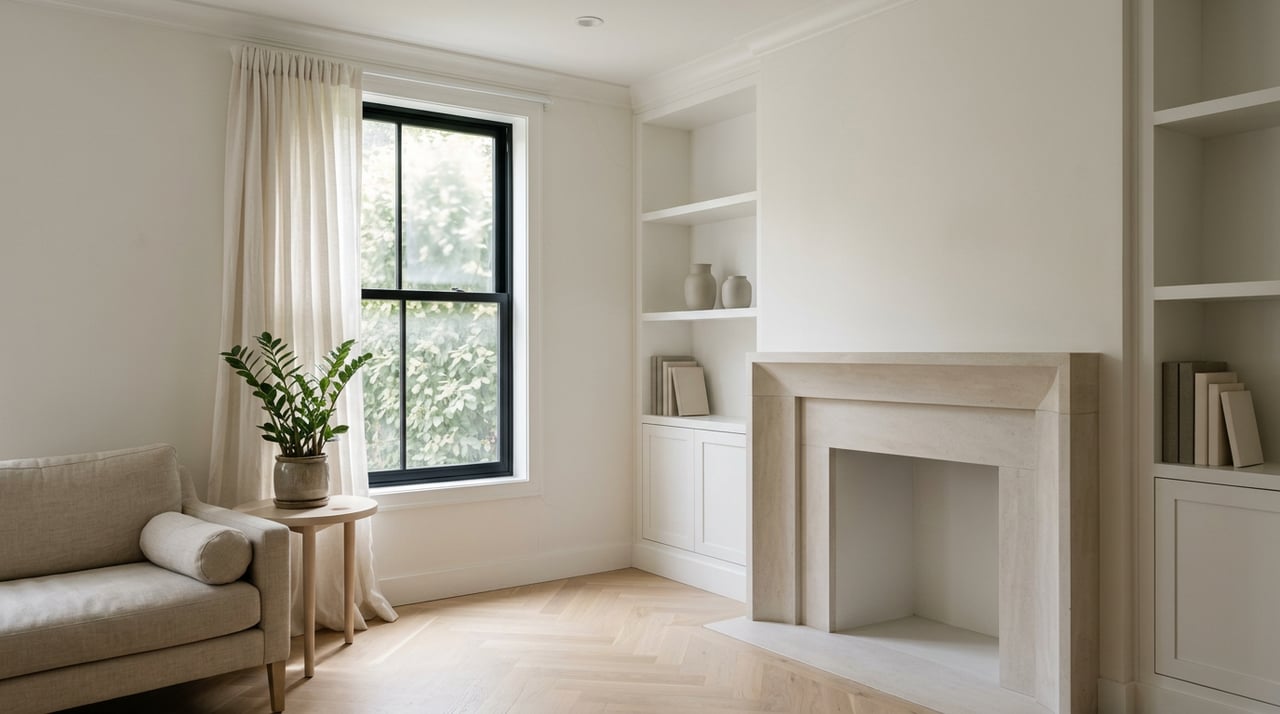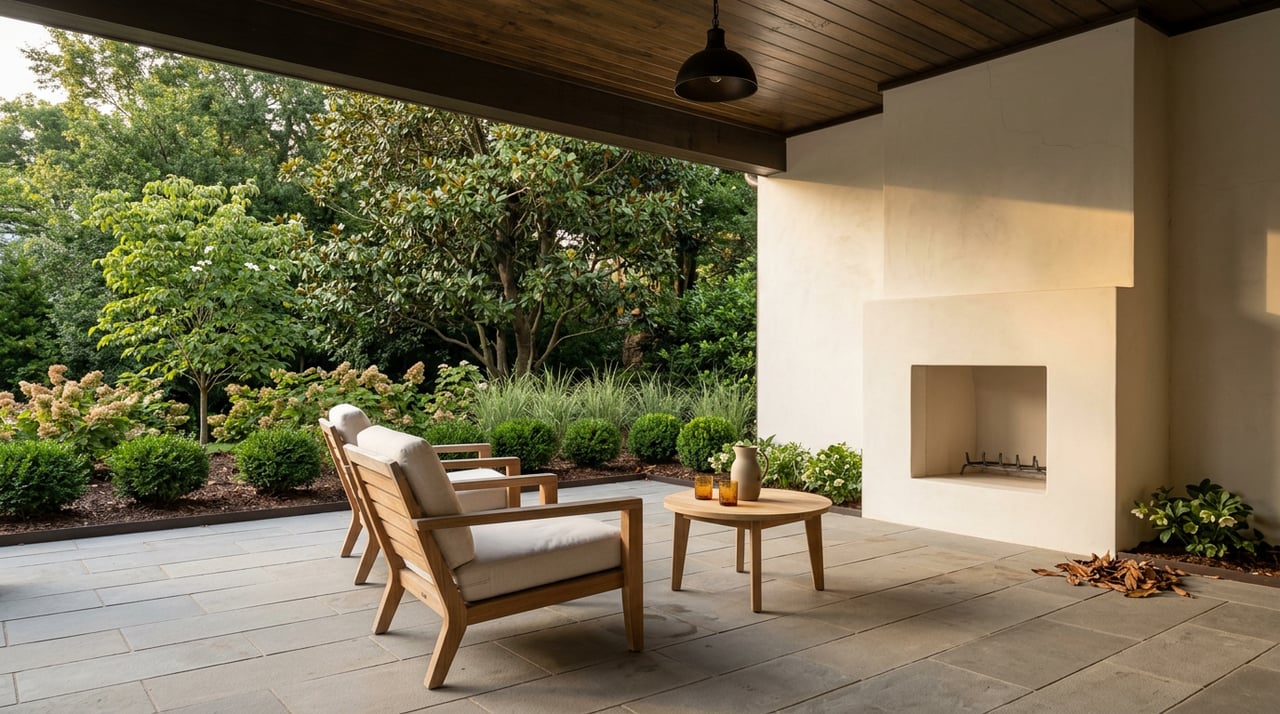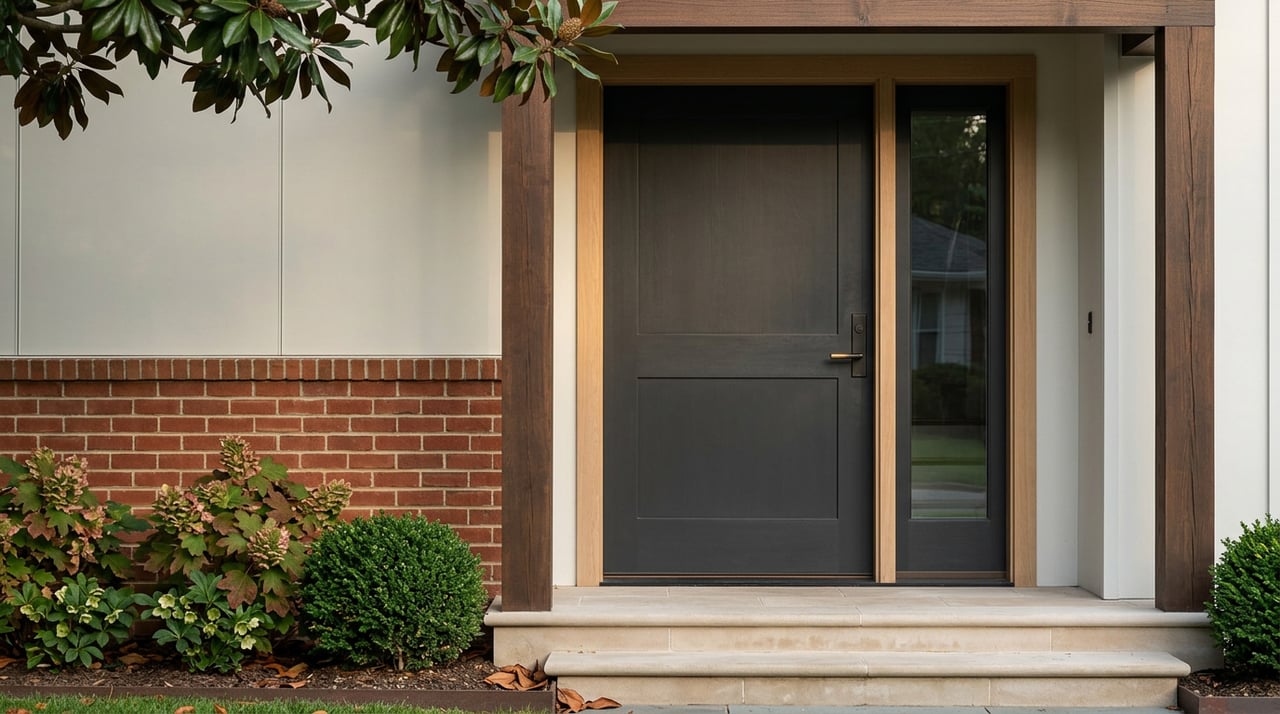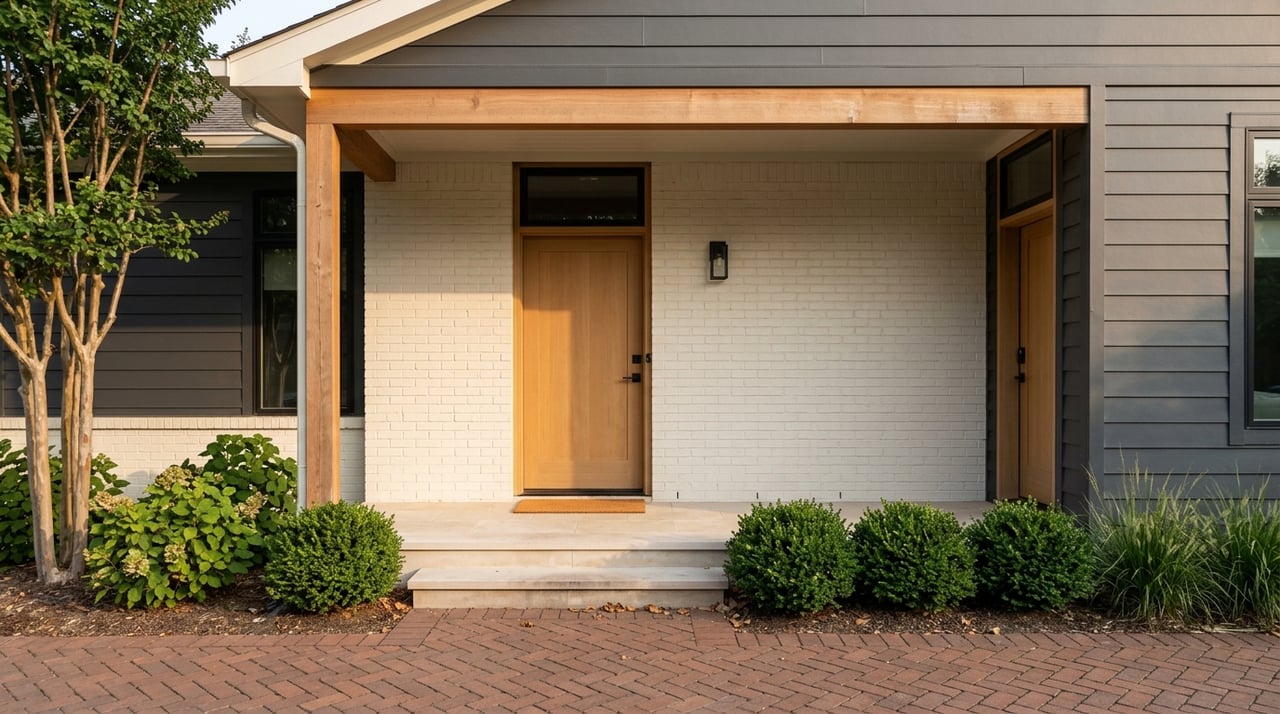
Thinking about buying a rental in 12 South? It is easy to see the appeal. This pocket of Nashville pairs walkability, dining, parks, and strong neighborhood identity in a way that attracts renters who want more than just a place to sleep. If you are weighing an investment or second-home purchase in 37212, this guide will help you think through demand, property types, rental math, and the local rules that matter most. Let’s dive in.
Why 12 South Draws Renters
12 South is a lifestyle-driven neighborhood, not just a collection of homes. The area is known for its walkable half-mile stretch along 12th Avenue South, with restaurants, coffee shops, bakeries, boutiques, and design-focused retail that add daily convenience and energy.
That convenience is also supported by public improvements. Metro’s 12th Avenue South corridor project includes protected bike lanes, safer crossings, and bus stop improvements, which reinforces the area’s role as a major route into 12 South and Belmont University. For renters, that kind of connectivity can make a real difference in daily life.
Sevier Park adds another layer of appeal. Metro identifies it as a 20-acre park with a community center and a long-term master plan for future improvements. In a neighborhood like this, access to park space and active civic attention can help support long-term livability and steady renter interest.
What the 37212 Renter Base Looks Like
If you are buying in ZIP code 37212, it helps to understand who is most likely to rent there. Census Reporter estimates 20,592 residents, a median age of 23.3, and 1.9 persons per household, which points to a younger and more mobile population than many Nashville neighborhoods.
The same profile shows a 29.6% move rate over the prior year and a mean commute time of 16.9 minutes. That suggests a renter base that values flexibility, location, and convenience. It can also mean turnover deserves close attention in your underwriting.
Education and income data also stand out. Census Reporter shows a median household income of $95,145 and 78.6% of residents with a bachelor’s degree or higher. For landlords, that can support demand for well-kept rentals that offer quality finishes, practical layouts, and strong neighborhood access.
Which Property Types Fit Best
The housing mix in 37212 is important. Census Reporter shows about 59% renter-occupied households, and 55% of housing units are in multi-unit structures. That means your rental search should not stop at detached homes.
In many cases, condos, townhomes, apartments, and smaller multifamily properties may align well with how people already live in the area. These property types can better match the neighborhood’s renter profile and may offer more flexible entry points than a large single-family purchase.
That said, detached homes still have a place in the market. Belmont’s off-campus housing information notes that students mainly live in houses off campus, which supports demand for larger homes in the right location and layout. If you are considering a house, bedroom count, parking, and roommate functionality may matter as much as finishes.
How Belmont Affects Rental Demand
Belmont University is part of the 12 South story, but it should be viewed with nuance. Belmont says 12 South is just around the corner from campus, so the area can benefit from university-adjacent demand.
At the same time, Belmont’s off-campus housing portal says Hillsboro is the closest neighborhood to the university. That means 12 South can participate in student and university-related demand, but buyers should avoid assuming it is the only nearby rental pocket.
A smart takeaway is to think broader than one tenant profile. In 37212, your future renter could be a student, a young professional, a couple, or someone who simply wants a walkable Nashville address near daily amenities.
What Current Rent Levels Suggest
Current rent data shows a wide range of pricing in 37212. Zillow reports average asking rents of $1,216 for studios, $1,450 for one-bedrooms, $2,489 for two-bedrooms, $3,041 for three-bedrooms, and $5,860 for four-bedrooms, with an overall average of $2,200.
That spread matters because it shows the ZIP can support several strategies. Smaller units may appeal to singles or couples who prioritize location, while larger homes may work for roommate setups or renters seeking more space in a premium neighborhood.
Instead of relying on a ZIP-wide average alone, it is wise to compare the subject property to the renter profile it best serves. A two-bedroom condo and a four-bedroom house may both be in 37212, but they compete in very different parts of the rental market.
Why Cash Flow Needs a Hard Look
12 South often works better as a long-hold, appreciation-sensitive play than as a pure cash-flow investment. Using Zillow’s typical 37212 home value of $766,155 and average rent of $2,200, the rough gross rent yield comes out to about 3.45% before vacancy, repairs, operating costs, and financing.
That is not a cap rate, and it is not a profit guarantee. It is simply a quick illustration that shows why buyers need to be disciplined when evaluating monthly performance.
Census Reporter’s ACS-based median owner-occupied value of $963,800 reinforces the same point. This is an expensive ZIP code relative to many markets, so your return may depend heavily on purchase basis, financing terms, renovation scope, and exit strategy.
Expenses to Stress-Test Before You Buy
If you are underwriting a 12 South rental, it is worth pressure-testing the numbers from several angles. In a premium submarket, a property can look strong on paper and still feel tight once real operating costs are added in.
Pay close attention to:
- Debt service
- Vacancy assumptions
- Repair and maintenance costs
- Property taxes
- Insurance
- Any renovation or permit-related costs
Property taxes deserve special attention. The Davidson County assessor says the last countywide reappraisal occurred in 2025 and the next will occur in 2028, while tax rates are set by the Mayor and Metro Council. Those timing and rate decisions can directly affect your hold costs.
Long-Term Rental Rules to Know
For long-term rentals, legal compliance starts with the basics. In Tennessee counties with populations over 75,000 based on the 2010 Census, the Uniform Residential Landlord and Tenant Act applies.
The Tennessee Department of Health says landlords must maintain rentals that meet building and housing codes affecting health and safety. That makes property condition more than a good business practice. It is part of responsible ownership.
Metro Nashville also makes an important distinction for buyers: zoning tells you what you can build and operate on a parcel, while the building code governs how construction is done. If you plan to renovate, add units, or change use, that difference matters.
Short-Term Rental Rules Are Stricter
If your plan includes short-term rental income, do not assume a property can be listed right after closing. Metro Nashville requires a permit before a property is listed, along with annual permit renewal.
Metro also requires remittance of business, sales, and hotel occupancy taxes. The permit application includes proof of insurance, a floor plan, neighbor notifications, and for single-family and two-family homes, certification from a licensed architect, engineer, or home inspector.
Metro says the maximum stay for any guest is 30 consecutive days. Short-term rental use can be viable in some cases, but it comes with real operational and compliance requirements that should be confirmed before you buy.
Tax Treatment Can Change the Math
One of the biggest differences between rental strategies in Davidson County is tax classification for short-term rentals. According to the county assessor, owner-occupied short-term rental permits are classified as residential at a 25% assessment rate, while non-owner-occupied short-term rental permits are classified as commercial at a 40% assessment rate.
That is a major distinction. If you are comparing a second-home strategy to a non-owner-occupied investment model, tax treatment may materially change your numbers.
This is one reason parcel-level planning matters so much in 12 South. Your intended use is not just about demand. It can affect taxes, permits, and long-term ownership costs.
DADU Plans Need Careful Review
Some buyers look at detached accessory dwelling units, or DADUs, as a way to add flexibility or rental income. In Nashville, that strategy is tightly controlled.
Metro says the parcel must qualify, only one DADU is allowed on a parcel with a single-family principal structure, and the DADU must be subordinate and owner-occupied by the same owner as the principal structure. Metro also states that a contractor must pull the permit.
There is another key limit for investors to know. Metro says owner-occupied short-term rental use is not permitted in a new DADU on certain qualifying single-family, Residential Neighborhood, or Residential Limited lots. If a DADU is part of your plan, confirm the parcel rules early.
Why Parcel-Level Due Diligence Matters
In 12 South, neighborhood character and regulations often go hand in hand. Metro advises buyers to use Parcel Viewer and check for overlays that can add restrictions beyond base zoning.
The city specifically flags Neighborhood Conservation Zoning Overlays, Historic Preservation Zoning Overlays, Urban Design Overlays, Urban Zoning Overlays, and Specific Plans as examples of parcel-specific rules that may affect use or alterations. In practical terms, two nearby properties may not offer the same options.
That is why broad neighborhood enthusiasm should never replace property-specific review. Before you count on a renovation, a rental strategy, or a use change, verify what the parcel actually allows.
A Practical 12 South Investment Mindset
For many buyers, 12 South is best approached as a premium lifestyle submarket where walkability, neighborhood identity, and long-term desirability carry real weight. Rent potential is meaningful, but monthly cash flow may not be the whole story.
That often makes the best-fit opportunities more selective. Smaller multifamily properties, condos, townhomes, and well-located detached homes can all make sense, but the right choice depends on your budget, hold period, and intended use.
If you are buying a second home or investment property in 37212, the first question is not just “Will it rent?” It is “Can this specific parcel legally support the rental plan I have in mind?” Starting there can save you time, money, and frustration later.
If you want help evaluating a 12 South purchase with a local, detail-driven perspective, Starling Davis offers hands-on guidance for Nashville buyers, second-home clients, and investment property decisions.
FAQs
What makes 12 South in Nashville attractive to renters?
- 12 South attracts renters with walkability, restaurants, coffee shops, boutiques, bike and transit improvements, and access to places like Sevier Park and Belmont University.
What types of rental properties are common in ZIP code 37212?
- ZIP code 37212 includes a mix of condos, apartments, townhomes, smaller multifamily properties, and detached houses, with Census Reporter showing 55% of units in multi-unit structures.
Is 12 South in Nashville a strong cash-flow rental market?
- It can be attractive, but the rent-to-value spread suggests many deals are better viewed as long-hold, appreciation-sensitive investments rather than pure cash-flow plays.
What should you verify before buying a short-term rental in 12 South?
- You should confirm permit eligibility, tax treatment, insurance requirements, zoning, parcel-specific restrictions, and Metro’s short-term rental rules before closing.
Can you build a DADU for rental income in 12 South?
- Possibly, but Metro requires parcel qualification, limits the property to one DADU with a single-family principal structure, requires owner occupancy, and may restrict certain short-term rental uses.
Why is parcel-level zoning review important for 12 South rentals?
- Parcel-level review matters because overlays or specific plans can add restrictions beyond base zoning and may change what you can build, alter, or operate on a property.