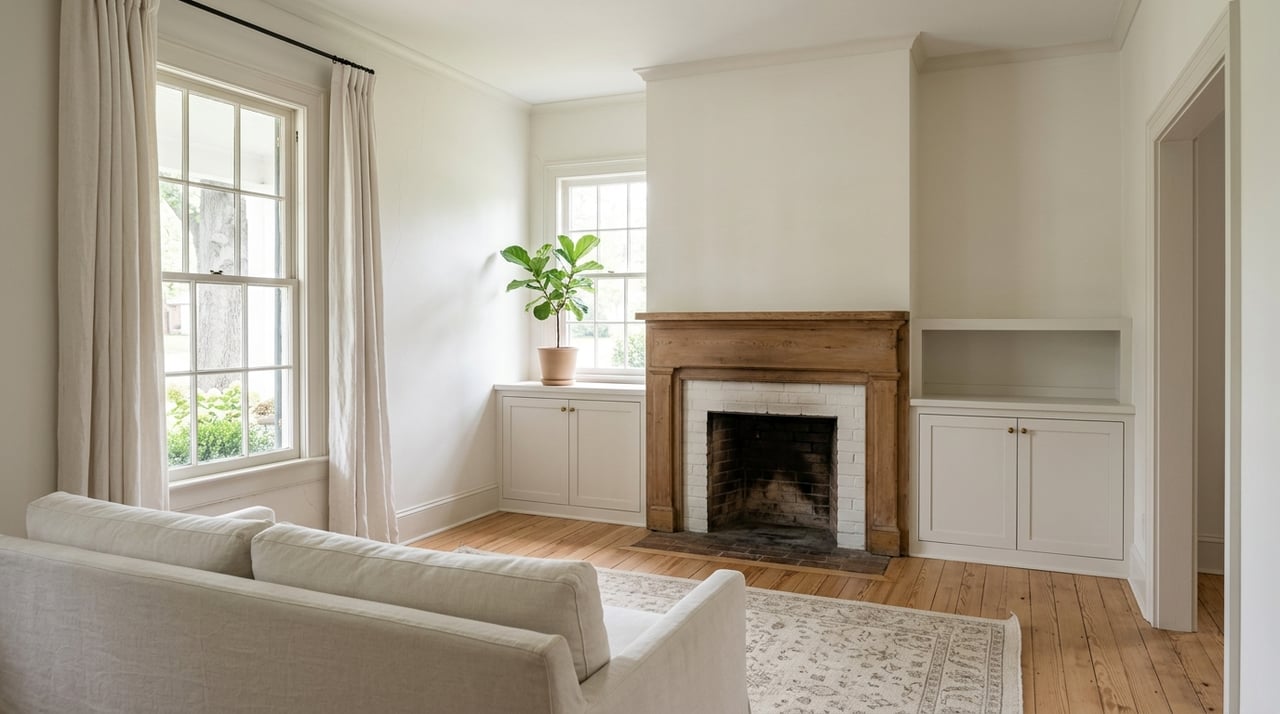
Dreaming about a historic home near downtown Franklin? It is easy to fall for the charm first, then realize the details matter just as much as the curb appeal. If you are considering a purchase in Franklin’s downtown core, this guide will help you understand what makes these homes special, what local rules may apply, and which due diligence steps can protect your investment. Let’s dive in.
Why Franklin’s downtown homes stand out
Downtown Franklin is a 15-block historic district with about 200 years of history centered around the public square and courthouse. According to the city, it is the oldest residential and commercial core in Franklin, with many buildings dating to the 19th and early 20th centuries.
That history matters when you buy. Many homes in and around the downtown core are not untouched time capsules. Instead, they are layered properties that may include original features, later additions, repairs, and style changes from different eras.
You may see early Federal-style elements alongside Greek Revival, Italianate, or Victorian details. That mix is part of the appeal, but it also means each property deserves careful review before you make plans for updates or renovations.
Know the difference between historic designations
One of the first things to confirm is how the property is designated. In Franklin, that can affect what you can change on the exterior and how any future project is reviewed.
A National Register listing recognizes a property’s historic significance, but by itself it does not restrict a private owner’s use, treatment, transfer, disposal, or access. A local historic district is different because it is adopted by ordinance and comes with legal enforcement of local design guidelines.
Franklin also uses a Historic Preservation Overlay District, or HPO, as a planning tool to manage growth and change for local landmarks and historic districts. If a home is within that framework, exterior changes may be reviewed under the city’s preservation process.
Check if the home is contributing
Not every older building in a historic area has the same status. In Franklin, it is important to find out whether a property is considered contributing or non-contributing.
That distinction matters because contributing historic residential buildings are held to a higher standard of review than non-contributing properties. If you are planning exterior work, that status can shape what is more likely to be approved and how closely details will be evaluated.
The city provides a Historic Resources Map and preservation resources that can help you identify where a home falls. This is one of the smartest early steps you can take before finalizing your plans or budget.
Understand what work may need approval
Historic-home buyers are often surprised to learn how many exterior changes may require local review. In Franklin’s preservation framework, a Certificate of Appropriateness, or COA, is required for a range of exterior work covered by the guidelines.
That can include:
- New construction
- Additions
- Window changes
- Siding or masonry work
- Roofing changes
- Dormers
- Awnings
- Site elements
- Modern equipment
- Solar installations
- Partial or wholesale demolition
- Relocation
The city advises owners to contact the preservation planner before starting work. For more complex proposals, pre-application review is encouraged, which can help you understand the process and avoid costly surprises.
A COA is generally valid for two years, with a possible six-month extension. If you are buying with renovation in mind, timing should be part of your planning from the start.
Focus on preservation-friendly updates
Buying a historic home does not mean you cannot make improvements. It does mean the best approach is often thoughtful repair before wholesale replacement, especially on defining exterior features.
Windows are a good example. Guidance referenced in the research report notes that historic windows should be repaired rather than replaced when possible. If replacement is truly necessary, the new work should match the original design and character as closely as possible.
The same careful approach applies to porches, trim, siding, and visible exterior details. In a downtown Franklin home, preserving character is often part of preserving value and supporting a smoother review process.
Inspect the roof and drainage carefully
In an older home, a weather-tight roof is one of the most important protections you can have. Roof failure can quickly affect wood, plaster, masonry, and paint, which is why buyers should treat roof and drainage questions as a priority.
Ask about the age of the roof, any known leaks, the condition of gutters and downspouts, and whether there is attic evidence of moisture. Even a beautiful home can hide maintenance issues if water has not been managed well over time.
This is especially important in historic properties, where original or older materials may be more vulnerable to long-term moisture damage. A strong inspection strategy should include close attention to these systems.
Review masonry and mortar work
Brick and stone can look sturdy for generations, but historic masonry can be damaged by the wrong maintenance methods. Poor repointing or abrasive cleaning can permanently harm older materials.
When you evaluate a downtown Franklin property, ask whether repointing has been done and whether compatible mortar was used. Also ask how the masonry was cleaned, since harsh cleaning methods can damage the surface of historic brick or stone.
These questions matter whether the home looks freshly updated or visibly aged. Sometimes the biggest concerns come from past work that seemed cosmetic but was not appropriate for historic materials.
Ask about windows, porches, and exterior details
Historic windows and porches often shape a home’s character more than almost anything else. They are also common review issues in rehabilitation work.
As you tour a property, look for signs of deterioration, missing elements, or replacements that may not match the home’s original design. If changes are needed later, remember that repair is often preferred before replacement.
This does not mean every old component must stay exactly as-is forever. It does mean you should go into the purchase with realistic expectations about cost, review, and craftsmanship.
Plan for HVAC and additions early
If your wish list includes a larger kitchen, new addition, or updated mechanical systems, planning early is key. HVAC routing, additions, and other exterior-affecting changes can trigger local review and may affect the home’s historic character.
That is why renovation ideas should be discussed before closing whenever possible. A project that seems simple in a newer home may be more involved in Franklin’s downtown core, especially if exterior visibility, rooflines, or historic materials are part of the scope.
The city encourages early contact with preservation staff for a reason. It can save you time, money, and frustration.
Do not skip lead-related due diligence
For homes built before 1978, lead-based paint should be part of your due diligence. Older painted surfaces such as windows, doors, stairways, railings, porches, and window sills may pose a hazard if paint is deteriorating or if renovation work disturbs those areas.
Testing before purchase or renovation is a smart step. If work will disturb painted surfaces, use certified lead professionals and lead-safe firms.
The research also notes that lead service lines were installed primarily from the late 1800s through the 1940s. In an older Franklin home, verifying the water service line can be another useful part of your inspection process.
Understand historic tax credit limits
Historic tax credits can be appealing, but they are not available for every buyer or every project. The federal historic tax credit is 20% for certified historic structures, but it applies to income-producing rehabilitations, not owner-occupied residences.
That means a buyer planning to live in the home should not assume this incentive will apply. If you are buying an income-producing property or considering an eligible investment use, verify early whether the building contributes and whether the project may qualify.
The Tennessee Historical Commission advises applicants to make contact before starting. Eligibility, scope, and certification details should be confirmed before you rely on any incentive in your budget.
What historic ownership can offer
Historic ownership is not only about maintenance and approvals. It is also about living in one of Franklin’s most established and recognizable areas, where architecture, setting, and continuity create a strong sense of place.
The city connects preservation with heritage tourism, economic development, job creation, and property value stability and appreciation. For you as a buyer, that is best viewed as part of the city’s long-term planning rationale, not a promise about future resale.
Still, for many buyers, the appeal is clear. A well-chosen historic home can offer character, craftsmanship, and a downtown location that is difficult to replicate in newer construction.
Buying smart in downtown Franklin
The best historic-home purchases balance emotion with preparation. It is fine to fall in love with heart pine floors, old brick, deep porches, or layered architectural details. Just make sure your excitement is matched by careful review of the home’s designation, condition, and renovation path.
If you want expert guidance as you explore Franklin’s downtown core, working with a local team that understands historic properties can make the process feel much more manageable. When you are ready to talk through your options, connect with Starling Davis for thoughtful, concierge-level support tailored to your move.
FAQs
What should you confirm before buying a historic home in downtown Franklin?
- Confirm whether the home is inside the Historic Preservation Overlay District or a local historic district, and check whether it is classified as contributing or non-contributing.
What exterior changes may need approval for a Franklin historic home?
- Exterior work such as window changes, roofing, additions, siding or masonry work, solar installations, demolition, relocation, and some site changes may require a Certificate of Appropriateness.
Why does contributing status matter for Franklin historic properties?
- Contributing historic residential buildings are reviewed more strictly than non-contributing properties, which can affect renovation planning and approval.
Should you replace original windows in a historic Franklin home?
- Repair is generally preferred before replacement when possible, and if replacement is necessary, the new windows should match the original design and character.
What inspection issues matter most in downtown Franklin historic homes?
- Pay close attention to roof condition, drainage, attic moisture, masonry and mortar work, windows, porches, and any HVAC or addition plans that could affect the exterior.
Should you test for lead in an older Franklin home?
- Yes. For homes built before 1978, testing for lead-based paint is an important step before purchase or renovation, and older water service lines may also warrant verification.
Can an owner-occupied historic home in Franklin qualify for a federal historic tax credit?
- No. The federal historic tax credit applies to certified historic structures used for income-producing rehabilitation projects, not owner-occupied residences.