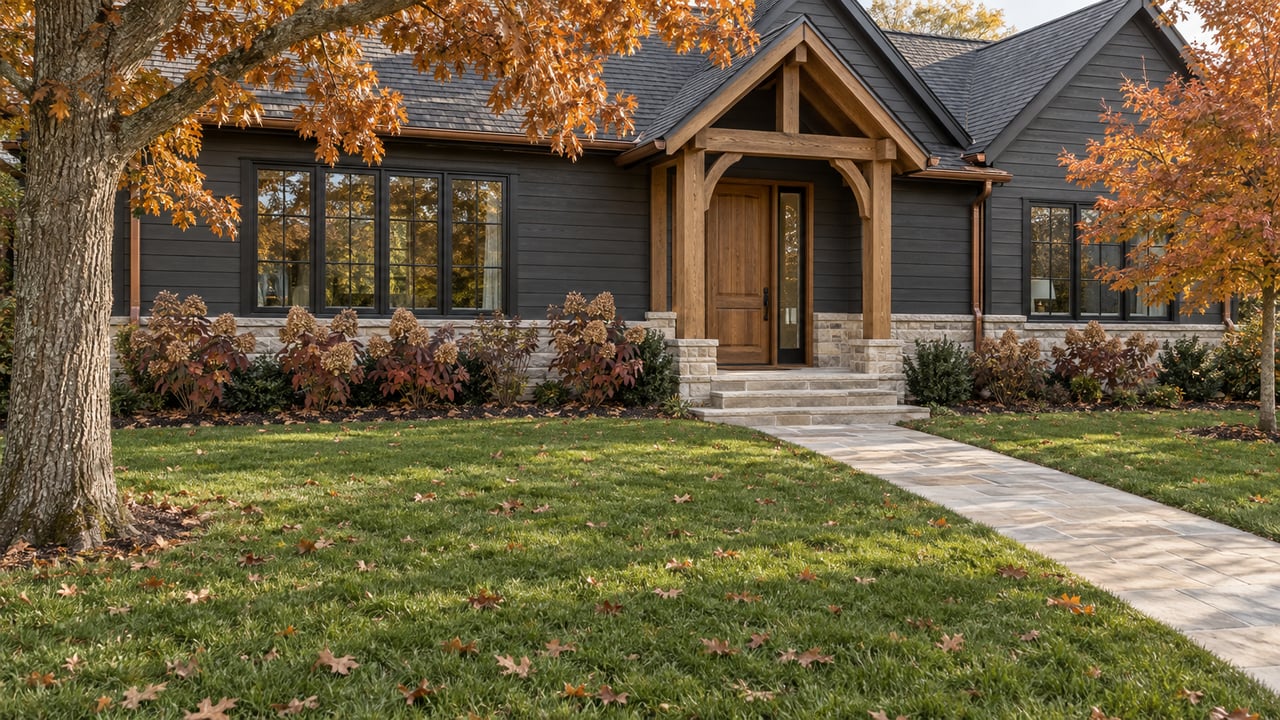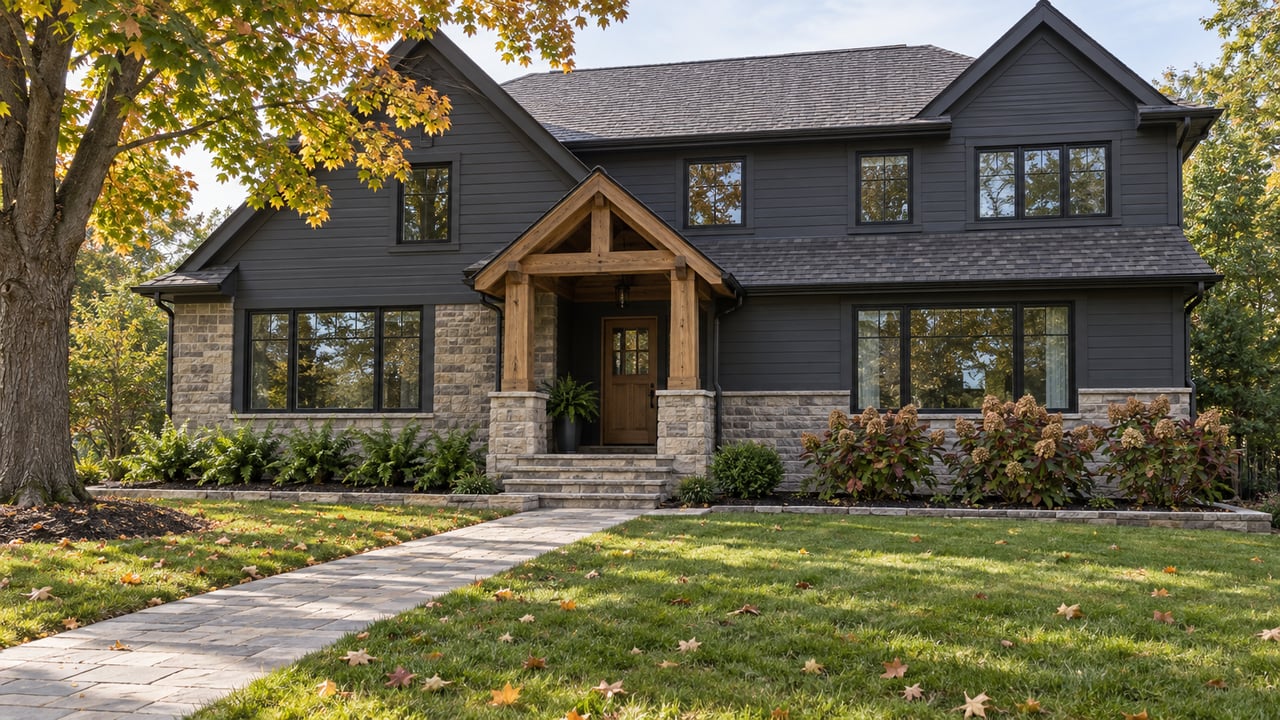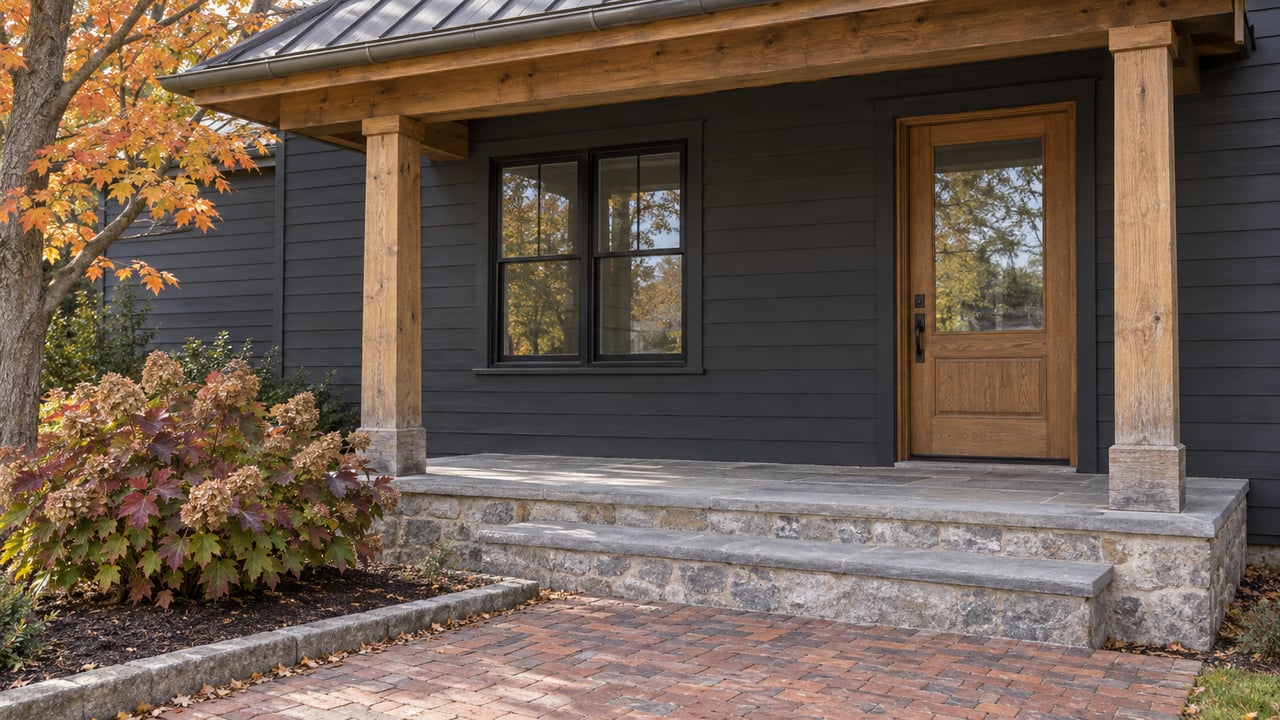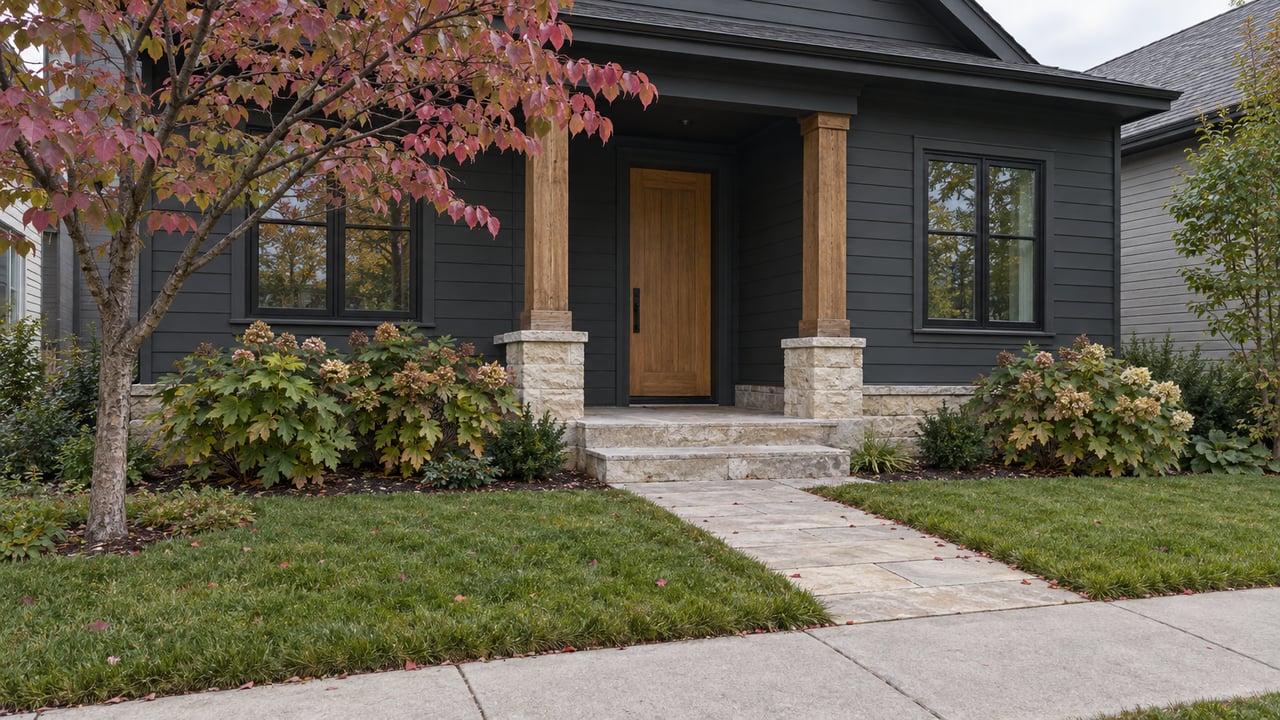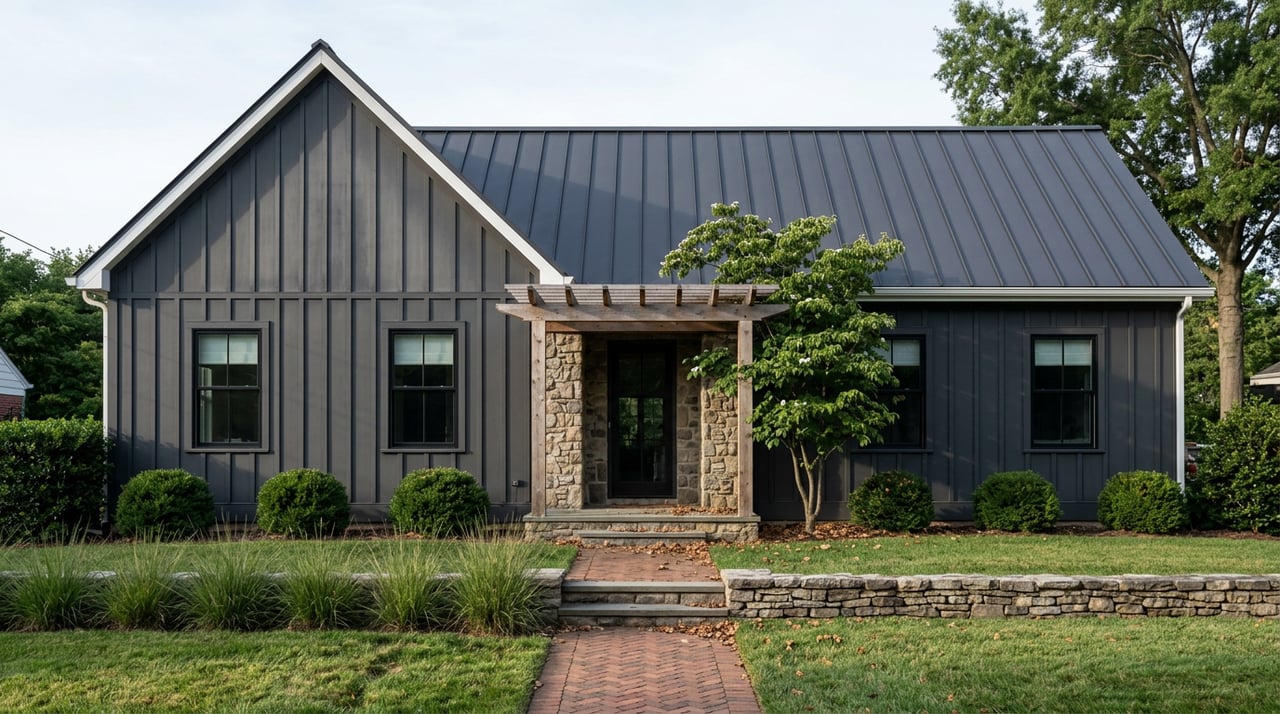
A buyer walks through a 1920s bungalow on one of 12 South's quieter blocks. The listing sheet mentions a live Airbnb calendar and a year of booking history. The agent points to the revenue. The buyer does the math, adds it to their return projection, and writes an offer that reflects a house that already earns money.
Here is what almost never makes it into that conversation: in most of 12 South, the permit that generated that income cannot follow the house to a new investor owner. It belongs to the seller, not the property, and in the zoning that covers nearly all of the neighborhood's residential blocks, it cannot be reissued to anyone else. The buyer isn't purchasing an income stream. They're purchasing a house that used to have one.
Why the Permit Stays Behind
According to the Nashville Scene, Metro Nashville drew a hard line on short-term rentals back in 2018, when the Council voted to phase out non-owner-occupied Airbnb operations in residential neighborhoods. The phase-out took full effect on January 1, 2022. Since that date, no new non-owner-occupied short-term rental permit has been issued in Nashville's standard residential zoning categories, which cover most of the city's single-family blocks, 12 South included.
The rule works two ways. First, a permit already in place before the cutoff is grandfathered, meaning the current owner can keep renting the property short-term as long as they hold title and renew on time. Second, and this is the part that catches buyers off guard, that grandfathered status does not transfer. Metro's own permit rules say so directly: existing permit holders in these residential zones may renew, but the permit is not transferable if the property is sold or transferred. The permit belongs to whoever's name is on it, not to the deed.
For a new non-owner-occupied permit in a residential zone, an application will very likely be denied.
Where 12 South Falls on the Map
This isn't a hypothetical for the neighborhood. Legal guidance published earlier this year on Nashville's short-term rental rules from McSeveney Law names 12 South specifically as one of the typical residential-zoned areas, alongside East Nashville, Germantown, The Nations, and Sylvan Park, where a new non-owner-occupied permit will very likely not be approved. New investor-held permits are currently reserved for commercially zoned and mixed-use corridors, downtown code districts, and a handful of specific plan developments where short-term rental use was written into the zoning from the start. A residential block off Caldwell Avenue or Linden Avenue doesn't qualify, no matter how strong the comps look.
That distinction matters more in 12 South than in most Nashville neighborhoods, because the corridor's whole appeal, the walk to Sevier Park, the Tuesday farmers market, the porches and bungalows within a few blocks of Edley's Bar-B-Que and Urban Grub, is also exactly the kind of setting that makes a furnished short-term rental look profitable on paper. The neighborhood's charm is doing double duty: it drives owner-occupant demand and it drives the assumption that any house here can be run as a business. Only one of those assumptions holds up once you check the zoning map.
What Happens When Someone Misses This
The Nashville Scene reported on a case worth understanding before you write an offer: An out-of-state investor bought a Nashville house in late 2022 specifically to run it as an Airbnb, then applied for a short-term rental permit that December. The application was denied because the property sat in a zone that no longer allowed new non-owner-occupied permits. By the time the denial came through, he had already put roughly $104,000 into furniture and renovations aimed at guest-ready condition. He resold the house within months, at a loss on that investment, and later sued the listing agent, arguing she should have flagged the zoning restriction before he made the offer.
The same report described the case as "an example of what Nashville's short-term rental code is now designed to block": an absentee investor trying to run a residential-zoned house as a rental business under rules written specifically to prevent that. The property in question wasn't in 12 South, but the ordinance that tripped him up is the same one that governs every residential block in the neighborhood today.
Owner-Occupied and Non-Owner-Occupied, Side by Side
| Owner-Occupied (OOSTR) | Non-Owner-Occupied (NOOSTR) | |
|---|---|---|
| New permits in 12 South's residential zoning | — | Not available for new applications since January 1, 2022 |
| Transfers on sale | — | No, and in residential zones the new owner generally cannot requalify |
| Typical use | Renting a spare room or the whole home during travel | Full-time investment rental |
If you're buying purely as an investment and don't intend to occupy the property, the math changes considerably, because you'd be buying a house with no legal path to the income the listing may be advertising.
What This Means for the Number on the Listing
12 South's pricing already runs well above the rest of Nashville. Across the trailing 12 months ending in June 2026, the neighborhood's median sale price landed at $1,380,000 across 105 closed sales, and active listings as of July 2026 were asking an average of $478 per square foot. Zoom out to the full 37204 ZIP code, which includes blocks well beyond the walkable core, and the estimated median value in early 2026 sat closer to $1,044,000, up 9.8 percent over the prior year. The gap between that ZIP-wide figure and the tighter 12 South corridor number is a reminder that the commercial strip itself, not just the ZIP code, is what buyers are paying for.
That gap is exactly where the permit question deserves attention. If a seller or listing agent is factoring trailing Airbnb revenue into the asking price on a residentially zoned 12 South property, part of that premium reflects income the buyer cannot legally continue under the seller's permit. A house priced at the top of its comp range because it "cash flows" as a short-term rental is only worth that premium to a buyer prepared to operate it as a standard long-term rental instead, which is a very different return profile.
Before You Write the Offer
A few things worth confirming before you get attached to a projected number:
- Check the property's zoning classification directly, not just the neighborhood's reputation, since a handful of parcels along the 12th Avenue corridor sit in mixed-use or commercial zoning that behaves differently than the surrounding residential blocks.
- Ask whether any existing short-term rental permit on the property is owner-occupied or non-owner-occupied, since neither type transfers to a new owner.
- Verify current permit status against Metro's own short-term rental permit map rather than taking a listing's word for it, since the public dataset shows what's actually on file with the Codes Department.
- If income is part of your underwriting, run the numbers as a long-term rental as a fallback, not just as an Airbnb, so the deal still works if the STR path is closed to you.
Frequently Asked Questions
Can I keep the seller's grandfathered permit if I structure the deal creatively? No. Metro's own permit rules say so directly: existing permit holders in these residential zones may renew, but the permit is not transferable if the property is sold.
Are any parts of 12 South zoned for new investor permits? The core residential blocks are not, but a small number of parcels along the commercial corridor carry mixed-use or commercial zoning where different rules may apply. That has to be confirmed parcel by parcel, not assumed from the neighborhood's general reputation.
If you're weighing a 12 South purchase against an investment thesis, or trying to figure out what a listing's income claims actually mean once you're the one holding title, this is exactly the kind of detail worth working through before you write an offer, not after. The Starling Davis Group has spent years inside Nashville's neighborhood-level zoning quirks, and we'd rather walk you through the permit question now than have you learn it at closing. Buy a Home / Sell a Home.
This article is general information, not legal, tax or financial advice. Consult a qualified professional about your situation.